
Productivity Isn't the Destination. Contribution Is.
The ability to produce more is becoming easier. The harder—and more valuable—question is what all that increased capability should be used to create.
READ →EUGENE L. MORRISON
Human-AI Capability Strategist
Artificial intelligence is changing what becomes possible. My work explores the other side of that transformation — Human-AI capability and collaboration from my Belize beginnings to the age of abundant intelligence:
What can human beings become capable of when intelligence is abundant?
I write, build and create practical frameworks for people who want to think more clearly, work more intelligently and turn the extraordinary capabilities of AI into meaningful human contribution.
Writer • Builder • Strategist • Digital Interviewer

For most of history, access to information, specialized knowledge and sophisticated capabilities was scarce.
Artificial intelligence is changing that.
Today, we can research faster. Analyze more. Generate ideas. Create content. Explore possibilities. Solve problems. And increasingly, execute work that once required considerably more time, people and resources.
But greater access to intelligence does not automatically create greater human capability.
That is the problem—and the possibility—that interests me.
THE HUMAN CAPABILITY ADVANTAGE
AI can help us move faster, recognize patterns, explore possibilities, analyze information, generate alternatives and increasingly execute.
But speed is not purpose. Output is not judgment. And productivity is not necessarily contribution.
The human role becomes increasingly important in deciding:
Productivity can be useful. But productivity alone is not the destination. Contribution is.
The question is not how many tasks you can complete. It is how much meaningful value your work can create.

FLAGSHIP FRAMEWORK
Stop chasing AI. Start building capability.
Artificial intelligence will continue to change. The tools will change. The models will change. The interfaces will change.
Your advantage cannot depend on mastering every new tool that appears.
Tools change. Capabilities endure.
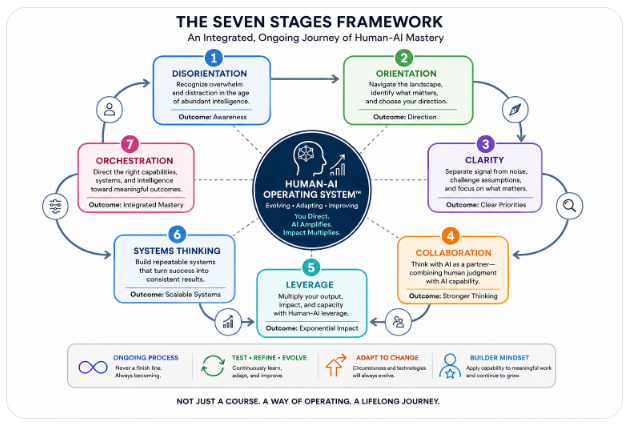
The Seven Stages of Human-AI Mastery is a developmental journey designed to help you move from uncertainty and overwhelm toward a more intentional way of thinking, working and creating with AI.
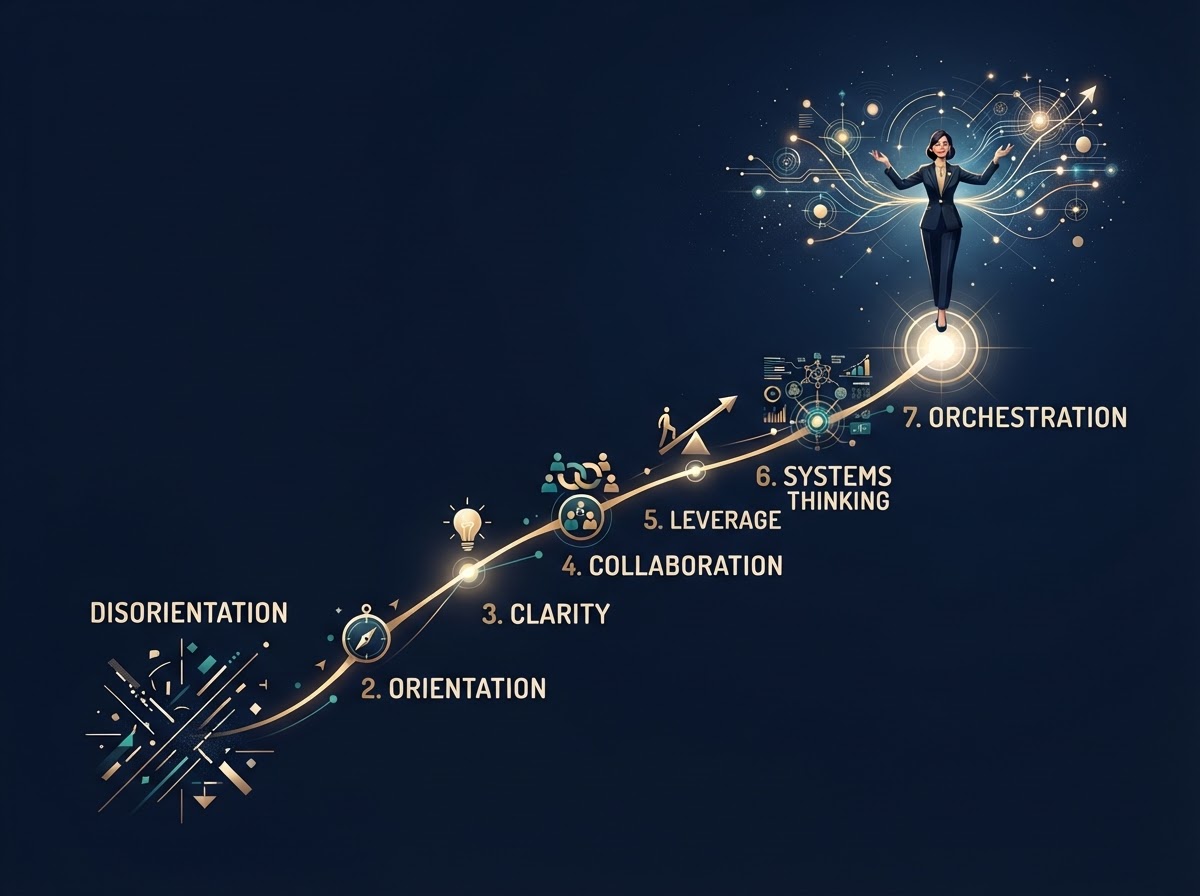
Recognize what is competing for your attention.
Understand where you are and where you are going.
Decide what truly matters.
Learn to think with AI—not simply use it.
Multiply human capability and create greater value.
Turn useful work into repeatable Human-AI systems.
Direct intelligence, systems and human judgment toward meaningful outcomes.
From confusion to orchestration.
The destination isn’t mastery of AI. It is developing a way of operating that can continue evolving as intelligence itself evolves.
WHERE ARE YOU RIGHT NOW?
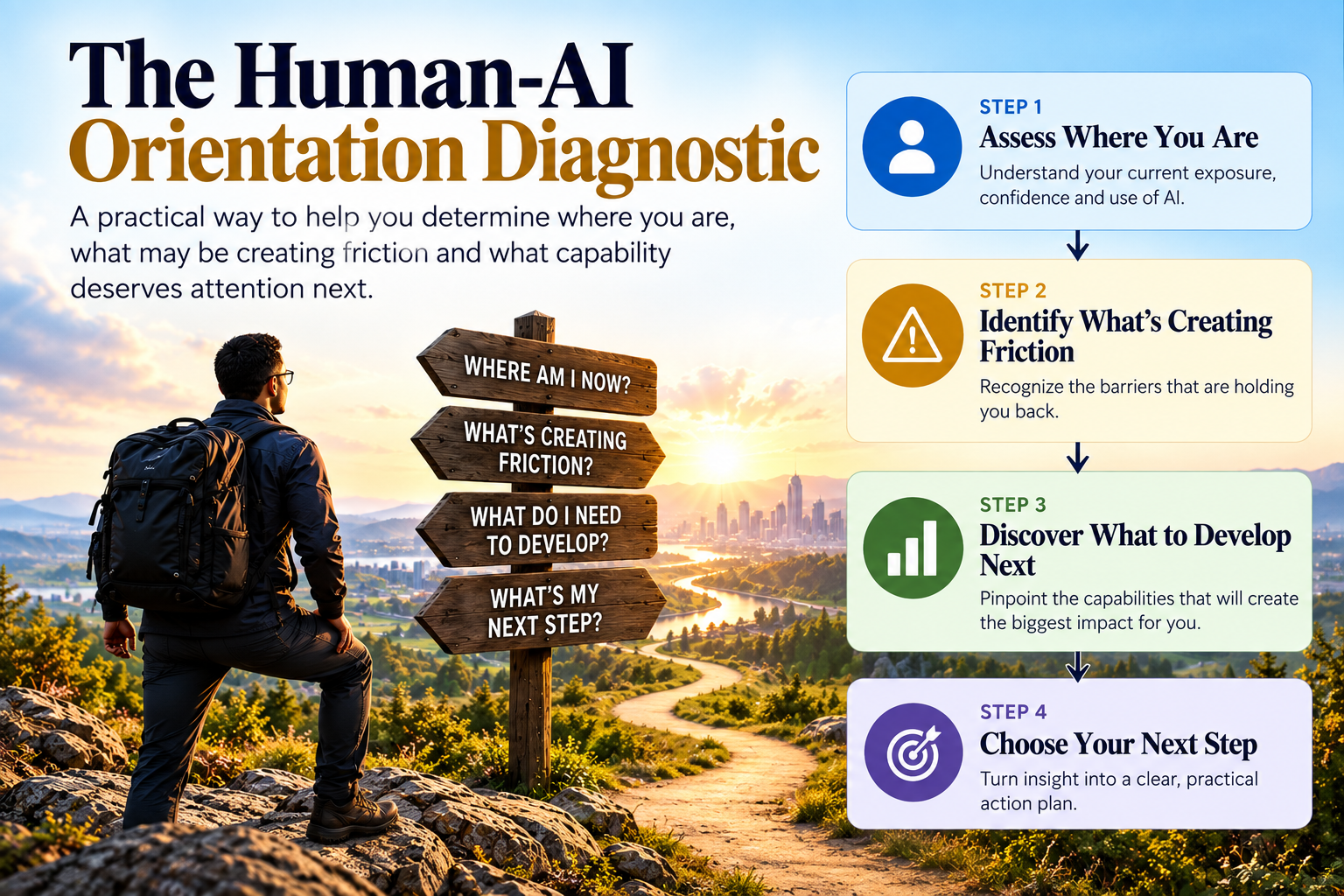
The Human-AI Orientation Diagnostic is designed to help you understand where you are in the Seven Stages—and identify what may deserve your attention next.
In just a few minutes, explore:
Find your orientation before choosing your acceleration.
TAKE THE HUMAN-AI ORIENTATION DIAGNOSTIC →Free • Approximately 5–7 minutes
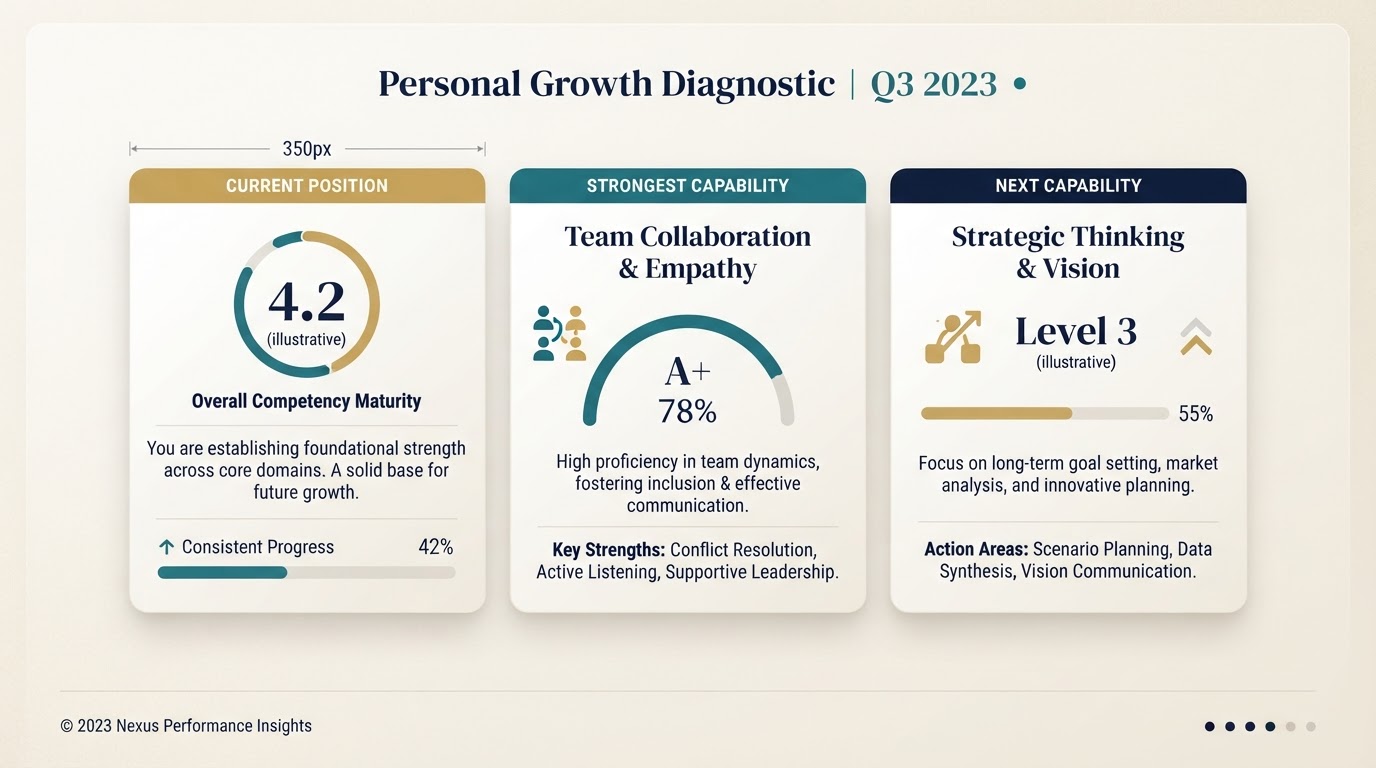
Illustrative interface preview — no fabricated user scores.
IDEAS
Some of the most important questions created by artificial intelligence aren’t really about artificial intelligence. They’re about us.
How will we work? What becomes valuable? What should remain human? What happens to judgment when answers become abundant? What happens to productivity when execution becomes easier? And what becomes possible when capable humans learn to direct increasingly capable intelligence?
The ability to produce more is becoming easier. The harder—and more valuable—question is what all that increased capability should be used to create.
READ →
When access to intelligence stops being the primary constraint, purpose, judgment and direction begin to matter differently.
READ →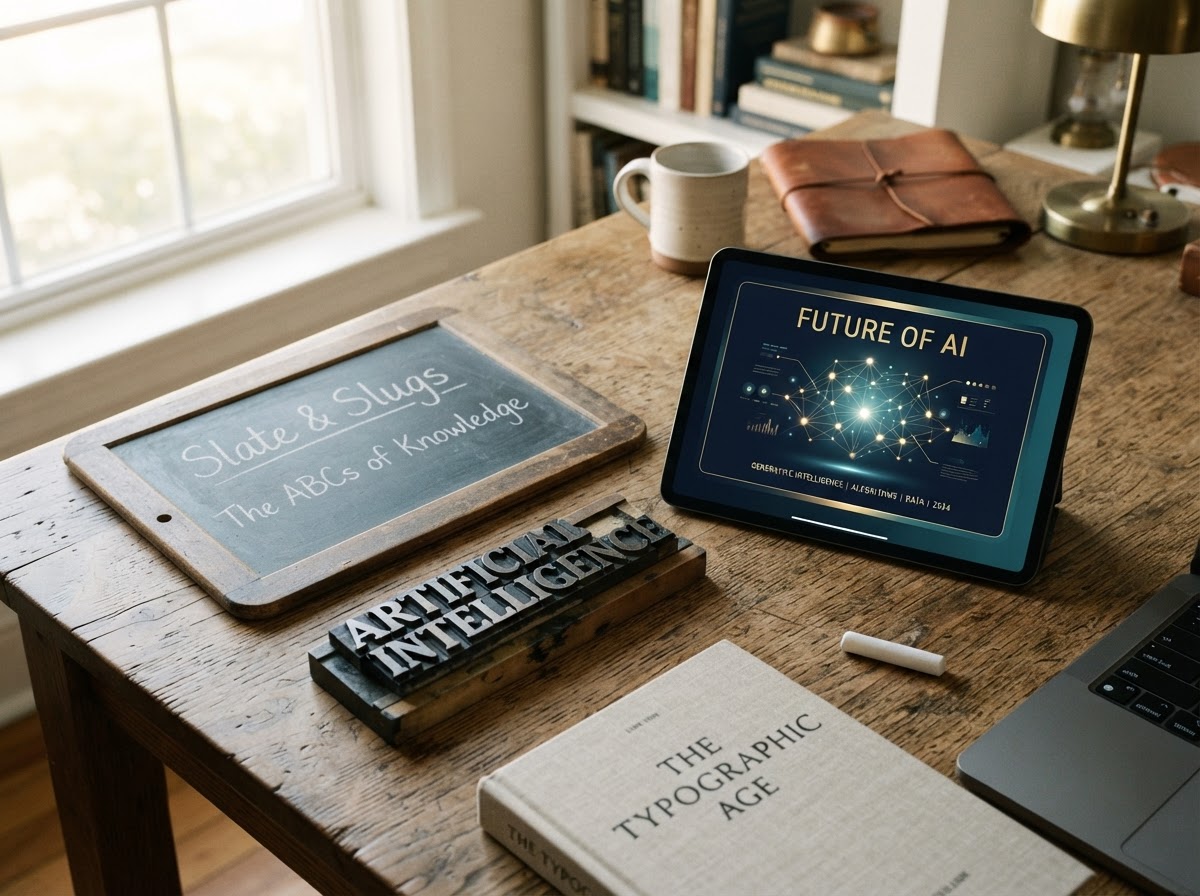
A lifetime spent watching the tools of information change—and why this transformation feels fundamentally different.
READ →BOOKS
Books have given me room to wrestle with ideas that cannot be reduced to a headline, a social post or a five-minute explanation.
Across my work, I have explored human potential, pressure, identity, transformation, artificial intelligence and the changing relationship between people and the tools we create.
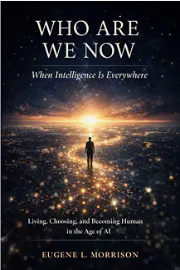
What happens to identity, work, judgment, leadership and learning when intelligence is no longer something humans possess alone?
EXPLORE THE BOOK →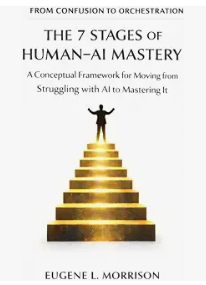
A framework for moving from AI disorientation toward clarity, collaboration, leverage, systems thinking and orchestration.
EXPLORE THE BOOK →
Explore another dimension of Eugene's writing and body of work.
EXPLORE →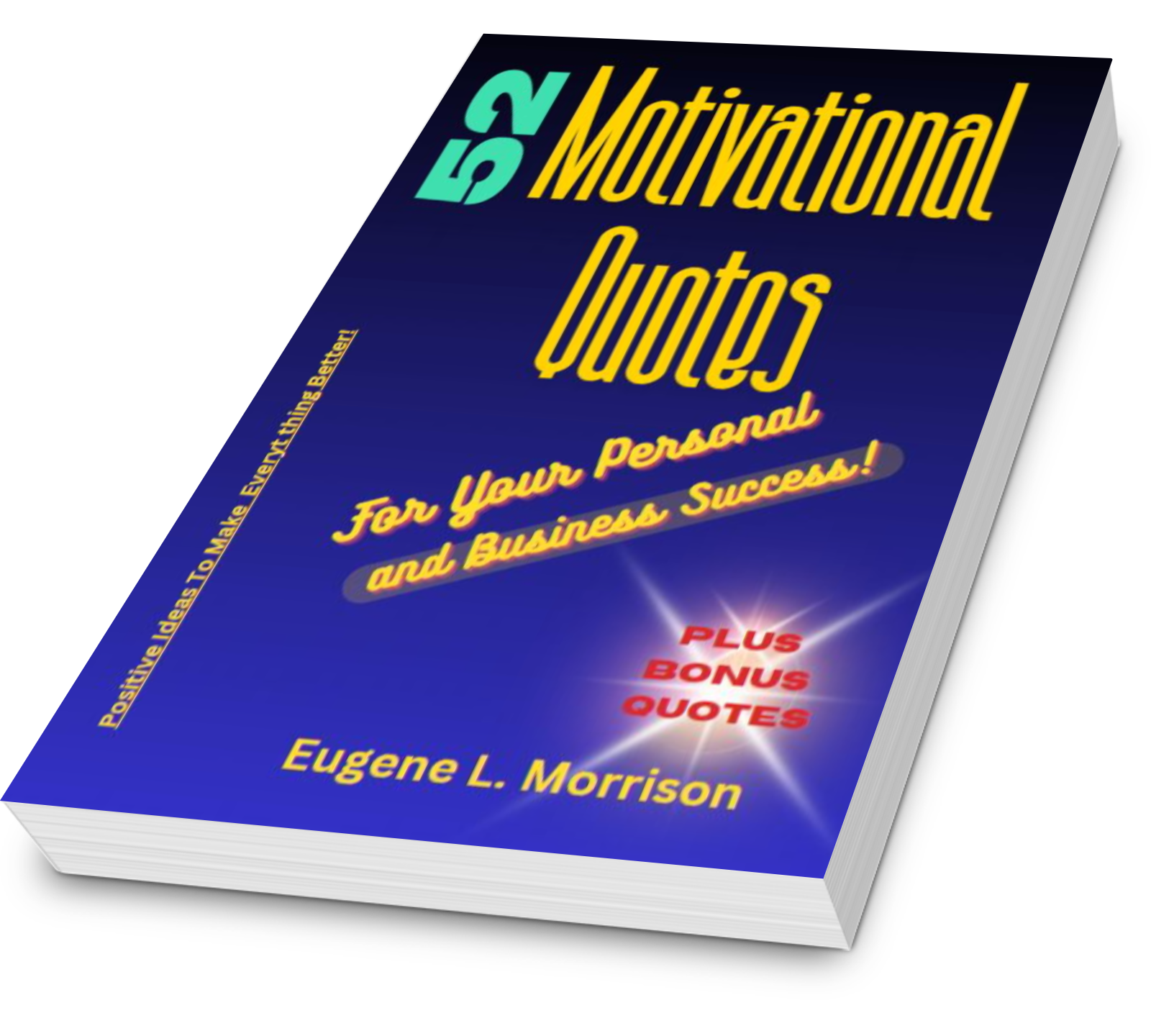
A GIFT FROM EUGENE
Receive this complimentary gift featuring positive ideas, practical inspiration, and perspective to make everything better for your personal and business success.
GET THE FREE BOOK →CONVERSATIONS
What happens when artificial intelligence becomes the interview subject?
Instead of merely asking AI for answers, what happens when we sit across from it—figuratively—and keep asking questions?
In An Interview with ChatGPT, I serve as the digital interviewer: exploring ideas, challenging answers, following unexpected threads and examining what artificial intelligence may reveal about technology, work, culture, society—and ourselves.
These aren’t simply conversations about AI. They are conversations made possible with AI.
CHECK OUT AN INTERVIEW WITH CHATGPT →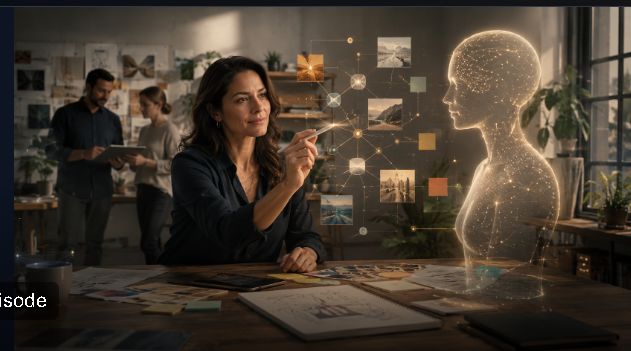

MEET EUGENE
My relationship with information began long before computers entered my life.
As a boy growing up in Belize, I learned to write on a slate. Later, I worked around printing technology—letterpress, metal type and slugs, galleys, offset printing and darkrooms.
I eventually spent decades as a professional writer and technical communicator, working across industries and organizations while the technologies we use to create, organize and distribute information changed again and again.
I have written books, articles, technical materials and marketing communications. I have built businesses, explored ideas, taught, learned, started over, experimented and continued creating.
Now we are living through another transformation.
Except this time, we aren’t merely changing how information is produced. We are changing what becomes possible when intelligence itself becomes widely accessible.
And after all these years, I find myself returning to a familiar question: When the tools change, what can human beings become capable of?
Eugene L. Morrison, MBA
Writer • Author • U.S. Air Force Veteran • Entrepreneur • Human-AI Capability Strategist
MEET EUGENE →WHAT I’M BUILDING NOW
I don’t want to merely observe the Human-AI transformation. I want to build within it.
A capability-development system designed to help people move from AI overwhelm toward intentional Human-AI orchestration.
A practical way to help people determine where they are, what may be creating friction and what capability deserves attention next.
An ongoing experiment in turning artificial intelligence from a tool we question into a subject we interview.. Read my first book that got me excited about AI.

Artificial intelligence doesn’t eliminate the importance of being human. It changes the range of what a capable human may be able to accomplish.
When intelligence becomes easier to access, the human questions become even more important: What do you care about? What are you trying to create? Whom do you want to help? What standards will you hold? What contribution do you want to make?
The question is no longer simply: What can AI do?
Perhaps the more interesting question is: What can you now do with it?
STAY IN THE CONVERSATION
These days, I write about artificial intelligence, human capability, work, judgment, clarity, contribution and what it means to keep becoming in a world of abundant intelligence.
If those are questions you’re thinking about too, I’d be glad to have you in the conversation.
No noise for the sake of noise. Just ideas worth considering, things I’m building and questions worth asking.
[FORM/AUTOMATION PLACEHOLDER: GHL CONTACT + EMAIL WORKFLOW TO BE CONNECTED]
FOLLOW EUGENE ON LINKEDIN →